
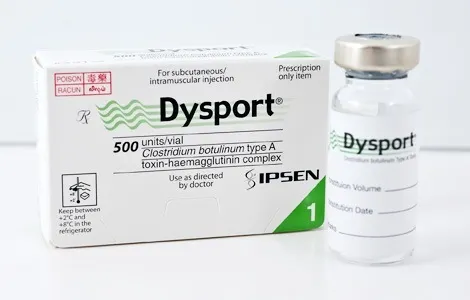
 MANUFACTURER
 ACTIVE SUBSTANCE
 CLASSIFICATION
 FORM
FORM ACTIVE HALF-LIFE
 DOSAGE
 Shipping Zones
 International
What Is Dysport? Benefits, Uses, and Side Effects of Botulinum Toxin Type A
When it comes to non-surgical treatments for wrinkles and certain neurological conditions, Dysport is one of the most recognized names. Originally developed in the early 1990s in the United Kingdom, this treatment has gained global success for both medical and cosmetic purposes. But what exactly is Dysport, how does it work, and is it the right option for you? Let’s break it down.
Understanding Dysport
Dysport is an injectable medication that contains botulinum toxin type A as its active ingredient. This neurotoxin is derived from the bacterium Clostridium botulinum and works by temporarily relaxing overactive muscles.
Ingredients in Dysport
-
Active ingredient: Botulinum toxin type A
-
Inactive ingredients: Human albumin, lactose, and cow’s milk protein
How Does Dysport Work?
The science behind Dysport is fascinating. It works by blocking the release of acetylcholine, a chemical messenger that causes muscles to contract. When acetylcholine is prevented from reaching the muscles, the result is:
-
Reduced muscle spasms
-
Smoother skin (in aesthetic treatments)
-
Relief from certain neurological symptoms
In cosmetic treatments, Dysport helps to soften glabellar lines (frown lines between the eyebrows) for about 3–4 months. In medical treatments, it can ease neck pain and abnormal head positions caused by cervical dystonia for 12–16 weeks.
Medical and Cosmetic Uses of Dysport
Dysport has FDA approval for several conditions and is widely used off-label as well.
Cosmetic Indications
-
Reduce the appearance of moderate to severe frown lines (glabellar lines) in adults under 65
-
Smooth out forehead wrinkles and create a more youthful appearance
Medical Indications
-
Cervical dystonia: To reduce neck pain and abnormal head posture
-
Arm spasticity: Often after a stroke
-
Pediatric cerebral palsy: To treat equinus foot deformity in children 2 years or older
-
Blepharospasm: Involuntary eyelid twitching or closure
-
Hemifacial spasm: Uncontrolled contractions of facial muscles
-
Axillary hyperhidrosis: Excessive underarm sweating
How Is Dysport Administered?
Dysport is given as an intramuscular injection by a trained healthcare professional. The dosage depends on the condition being treated:
-
Cervical Dystonia: Typically 500 units divided across affected muscles; repeat treatments every 12–16 weeks.
-
Glabellar Lines: A maximum of 50 units divided into five injection points; treatments should not be repeated sooner than every 3 months.
Who Should Avoid Dysport?
Dysport is not suitable for everyone. You should not receive Dysport if you:
-
Are allergic to botulinum toxin or cow’s milk protein
-
Have an infection at the injection site
-
Are under 18 years old
Caution is advised if you have:
-
Asthma or chronic lung disease
-
Diabetes
-
Bleeding disorders
-
Heart rhythm problems
Dysport Side Effects
Like all medical treatments, Dysport may cause side effects.
Mild Side Effects (usually temporary)
-
Pain or discomfort at the injection site
-
Headache and fatigue
-
Drooping eyelids or blurred vision
-
Mild allergic reactions (rash, itching, dizziness)
Serious Side Effects (seek medical help immediately)
-
Trouble breathing or swallowing
-
Severe wheezing or asthma symptoms
-
Voice changes (dysphonia)
-
Difficulty speaking clearly (dysarthria)
-
Loss of bladder control
Drug Interactions
Certain medications may interfere with Dysport’s effects, including:
-
Aminoglycoside antibiotics (e.g., gentamicin)
-
Anticholinergic drugs
-
Other botulinum toxin products
Always tell your doctor about all medications and supplements you’re taking before starting Dysport.
Final Thoughts: Is Dysport Right for You?
Dysport offers both aesthetic benefits (smoother skin and reduced wrinkles) and medical relief (muscle spasticity, dystonia, and excessive sweating). While it is generally safe when administered by a trained professional, patients should carefully consider possible risks and side effects.
If you’re thinking about Dysport for cosmetic or medical reasons, consult with a qualified healthcare provider to see if it’s the right treatment for your needs.